
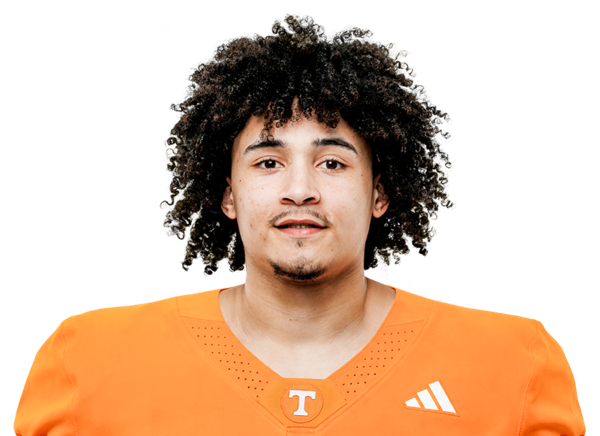
Javonte Smith
 Tennessee
Freshman
Tennessee
Freshman
Bio
Recruiting
Scouting Report
Javonte Smith is a 3-star Cornerback from Jackson, TN (Jackson North Side) in the 2026 class. Ranked No. 554 nationally, No. 51 at CB, No. 16 in TN. Composite rating: 0.8867. Committed to University of Tennessee since July 7, 2025.
Physical Profile
Listed at 6-0, 183 lbs. Taller than 33% and heavier than 78% of 2026 Cornerback prospects in the SEC Scouts database (204 with a listed size).
Play Style
He plays like a converted receiver on defense: ball-hawking, aggressive driving on throws and dangerous after the turnover. He reads the quarterback, attacks the football at its highest point and turns into a ball carrier right away, which is where his pick-six production came from. His best fit right now is off coverage and zone looks where he can keep his eyes on the quarterback and break on the ball. His press technique and physicality at the line are less proven. The return touchdowns also point to good vision and the ability to make tacklers miss.
Strengths
- Ball production and hands. He had five interceptions as a junior (three returned for touchdowns), and his receiver background (more than 1,000 receiving yards by the most-cited count) shows he finishes on the football instead of just breaking up passes.
- Ability after the catch and in the return game. Three pick-sixes and two kickoff-return touchdowns in one season show vision, burst and elusiveness with the ball, which gives him a path to early special-teams value.
- Length for the position. At about 6-1 he can match bigger outside receivers and contest at the catch point, which fits how Tennessee wants its corners built.
- Early-enrollee head start. He enrolled in January 2026 and went through spring ball under DB coach Willie Martinez, his lead recruiter, so he got a semester of strength work and install that most of his class did not.
Areas to Improve
- Play strength and weight. At about 175 he needs to get heavier to handle physical receivers in press, get off blocks on screens and perimeter runs, and tackle reliably in space. High school tackle totals (about 21 by one account) suggest limited exposure as a run defender.
- Technique as a full-time corner. A two-way player who was his team's top offensive weapon has had fewer reps refining press footwork, pedal-and-drive, route recognition and leverage discipline. Expect a learning curve against SEC route trees, especially in matching and pattern-read coverages.
College Projection
True freshman cornerback in 2026 whose most likely early role is special teams, particularly kick return given his history, plus depth reps in the secondary. A redshirt year using the four-game allowance is a realistic outcome. Getting there early helps, but a full year in the strength program is likely needed before he pushes for meaningful defensive snaps. A realistic target is rotational corner or nickel by 2027 and a starting push in 2028, depending on how well his frame holds added weight without losing speed.
Best Fit
A program that plays a lot of Cover 3, quarters or pattern-match zone, where corners can play with vision and break on the ball. That gets the most out of his instincts and ball skills while his press technique develops. Tennessee fits well: an in-state program, a DB coach who recruited him directly, an early-enrollee runway and an immediate need for return and special-teams contributors. A heavy press-man scheme would expose his current lack of play strength early.
Current Team
University of Tennessee