
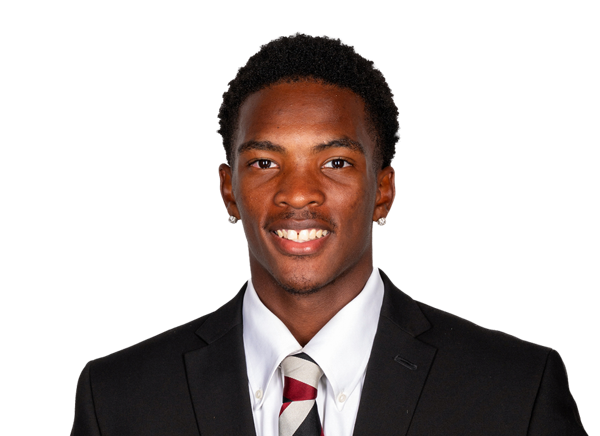
Sequel Patterson
 South Carolina
Freshman
South Carolina
Freshman
Bio
Recruiting
Scouting Report
Sequel Patterson is a 4-star Athlete from Charlotte, NC (Indian Land) in the 2026 class. Ranked No. 286 nationally, No. 115 at ATH, No. 20 in SC. Composite rating: 0.9077. Committed to University of South Carolina since June 25, 2025.
Physical Profile
Listed at 5-11, 180 lbs. Taller than 17% and heavier than 35% of 2026 Athlete prospects in the SEC Scouts database (150 with a listed size).
Play Style
Patterson plays like a creator with the ball in his hands more than a traditional wideout. On film he makes his biggest plays on quick game touches such as screens, jet motion and option routes, where he catches, plants and gets upfield before the pursuit angle closes. His quarterback and DB background shows in how he reads leverage: he finds soft spots in zone coverage and uses a defender's momentum against him after the catch. He plays aggressively and physically for his size, attacks the ball in the return game, and competes in coverage. His game rests on quick change of direction, balance and toughness more than long speed.
Strengths
- Makes defenders miss on the edge: 247's Andrew Ivins singles out how he escapes perimeter defenders, and his low center of gravity lets him break off his cut without slowing down on bubbles, jet sweeps and quick screens
- Route running is more polished than expected for an athlete who moved between positions and reclassified early. 247 rates his routes as refined, which let him produce 76 catches for 1,006 yards as a 17-year-old senior
- Proven return value: 210 punt return yards and 95 kick return yards as a senior. 247's projection lists return specialist next to slot receiver, which gives him a quick path to the field
- Two-way instincts: 4 INT, 9 PBUs and 28 tackles at DB as a senior, plus snaps at quarterback. That background shows ball skills, a feel for coverage from the defense's side, and a fallback option at nickel
- Competitiveness: his high school coach called it a 'honey badger mindset' and said he would take any assignment. He played in both the Shrine Bowl and the Navy All-American Bowl (2 rec, 31 yds, TD) as a reclassified prospect
Areas to Improve
- Catching consistency: 247's evaluation flags drops from lapses in concentration. That has to be fixed before he can be trusted on third down in the SEC
- Play strength and weight: at about 175–180 he needs 10–15 pounds to handle contested catches, stay on his route through contact from SEC nickels, and block on the perimeter in the run game
- Specializing: he split his time among WR, QB and DB, so his full-time receiver development is behind his peers. Beating press coverage and settling into zone windows are still developing
- Age and readiness: reclassifying made him a college freshman a year early. His early production (3 catches, 9 yards through September 2026, mostly screens) matches that of a player still growing into the SEC's speed and physicality
College Projection
Year 1 (2026, true freshman at 18): rotational slot and special-teams contributor. He is already getting screen and gadget touches and should compete for punt return duties. A redshirt-style limit of 4 games is possible depending on depth. Year 2: after a full offseason in the strength program and around 185–190 lbs, he should push for the No. 2 slot job and become the main returner. Years 3–4: projects as a starting slot receiver who is schemed touches and could catch 40–55 passes per season in an offense that uses a lot of motion. Nickel corner remains a legitimate fallback if receiver depth pushes him out.
NFL Outlook
247Sports projects him as a Day 3 pick (rounds 4–7) and compares him to Jaylin Lane (Washington Commanders), a sensible comparison for a slot receiver and return man. His best path to the NFL is return value plus slot production, not a WR1 profile. To reach the league he needs to clean up drops, get to about 185–190 lbs without losing quickness, and put up strong numbers returning punts in the SEC. If he does that, a late-round pick or priority free agent deal as a slot and returner is realistic. His younger age also helps his draft profile.
Best Fit
A spread offense that uses a lot of motion and RPOs and schemes touches for its slot receiver: jet sweeps, bubbles, option routes and choice routes against zone. It should also value special teams enough to put a freshman on returns right away. South Carolina is a good fit because it is an in-state program that recruited him since June 2024, has room on the depth chart at receiver, and can use his versatility on offense, special teams and at nickel if needed.
Current Team
University of South Carolina