
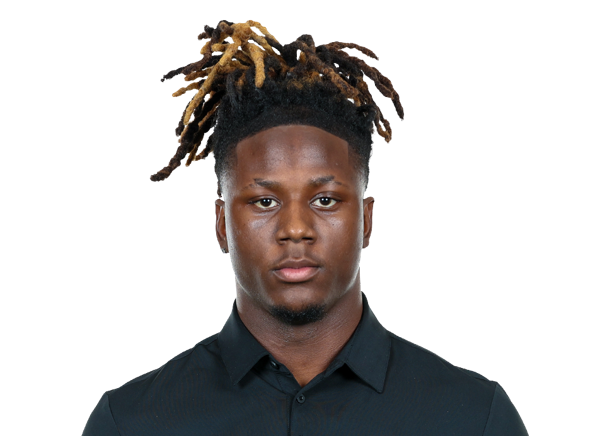
Carsyn Baker
 Texas A&M
Freshman
Texas A&M
Freshman
Bio
Recruiting
Scouting Report
Carsyn Baker is a 4-star Running Back from Fairburn, GA (Langston Hughes) in the 2026 class. Ranked No. 209 nationally, No. 16 at RB, No. 24 in GA. Composite rating: 0.9211. Committed to Texas A&M University since December 3, 2025.
Physical Profile
Listed at 6-0, 210 lbs. Taller than 73% and heavier than 85% of 2026 Running Back prospects in the SEC Scouts database (138 with a listed size).
Play Style
Baker is a one-cut, north-south runner with a sprinter's finish. On inside and outside zone he presses, plants his foot and gets vertical quickly, then uses his long speed to outrun pursuit angles. His best runs are explosive plays of 30 yards or more after a clean entry through the first level. With his size and 100-meter speed, defensive backs rarely catch him from behind. He tends to look for the perimeter and runs tall, so in traffic he takes hits to the chest and loses yards after contact that his weight should produce. He was used sparingly as a receiver, so his pass-game skills are mostly untested.
Strengths
- Game-breaking speed: a 10.61 100-meter time, and evaluators say he pulls away once he gets to the second level. He averaged 8.85 yards per carry over 318 carries at Langston Hughes.
- Proven production against Georgia 5A competition: 2,814 rushing yards and 34 touchdowns over three seasons, 10 career 100-yard games (six as a junior), a 1,282-yard, 13-touchdown junior year, and a trip to the 2024 GHSA Class 5A state championship game.
- Decisive downhill running on zone plays: TexAgs' evaluation says he 'plants, gets downhill and runs through opposing defenses' when a lane opens, rather than dancing behind the line.
- Enough size for the SEC right away at 6-0, 210, so he isn't a situational back limited by his frame.
- Early enrollment in January 2026 gave him spring practice and a full offseason of strength work before his first season.
Areas to Improve
- Pad level and contact balance: evaluators describe an upright style that produces explosive plays when he gets 'limited contact at the first two levels.' He needs to run lower through contact on inside runs, where SEC linebackers will hit him at the point of attack.
- Receiving and pass protection: he had only 17 catches for 230 yards in high school. Blitz pickup and running routes out of the backfield are the main things that will decide whether he earns third-down snaps.
- Bouncing runs outside: evaluators say he 'seeks the edge.' That wins in high school but produces negative plays against SEC defenders who close fast. He has to learn to take the yards that are there on the inside.
- Consistency: his reported senior production (about 539 rushing yards, 114 receiving yards and 8-9 total touchdowns) fell well below his junior season. Sources conflict on this, and the reason for the drop should be checked on film and in reporting.
College Projection
He is a developmental rotation back in 2026. Signing in the same class as KJ Edwards and enrolling early give him a path to special-teams work and change-of-pace carries as a true freshman. The four-game redshirt rule lets A&M limit his workload while he adds strength and learns protections. The realistic target is a larger share of carries in 2027 as the speed element of a committee. He can become a primary back by 2028 if he improves his pad level and pass protection. Kick returns are an immediate way onto the field.
NFL Outlook
He has Day 3 upside, possibly higher if he develops. Size-speed combinations like 6-0, 210 with sub-10.7 100-meter speed get NFL scouts' attention, and his testing profile (40-yard dash, 10-yard split and jumps) should be a selling point. His draft grade will depend on three things: running through contact on inside runs, holding up in pass protection, and becoming a real receiving option. If he adds those, he fits the NFL's outside-zone speed-back mold. If he doesn't, he projects as a rotational or return specialist.
Best Fit
A wide-zone or gap-scheme offense that stretches defenses horizontally and lets him press, cut once and hit a vertical lane, with a committee rotation early so he isn't asked to be a 25-carry grinder before his inside running is ready. Texas A&M's spread-to-power approach under Mike Elko, with multiple backs and an emphasis on explosive runs, is a sound fit. Programs that use their backs on kick returns would get value from his speed immediately.
Player Comparison
Similar build at 6'0" 191 lbs with a comparable recruiting profile - Diggs was a 4-star prospect ranked in the top 250 nationally who committed early to an ACC program despite limited national exposure. Both players possess the physical tools and technique that translate well to college with their rankings suggesting they have more upside than their national ranking indicates, particularly given their strong performance against elite regional competition.
Current Team
Texas A&M University