
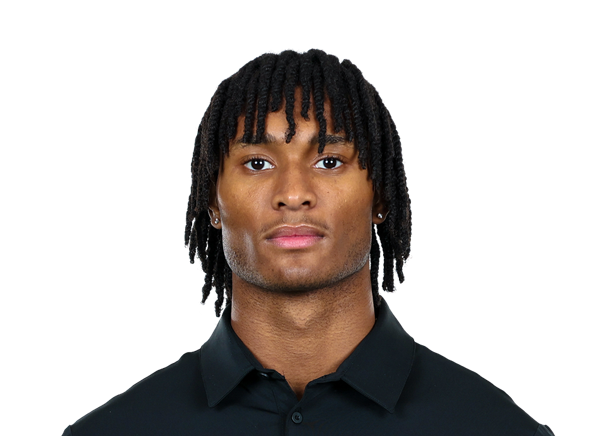
Aaron Gregory
 Texas A&M
Freshman
Texas A&M
Freshman
Bio
Recruiting
Scouting Report
Aaron Gregory is a 4-star Wide Receiver from Augusta, GA (Douglas County) in the 2026 class. Ranked No. 99 nationally, No. 22 at WR, No. 22 in GA. Composite rating: 0.9580. Committed to Texas A&M University since October 26, 2024.
Physical Profile
Listed at 6-2, 191 lbs. Taller than 58% and heavier than 78% of 2026 Wide Receiver prospects in the SEC Scouts database (329 with a listed size).
Play Style
A long-striding outside receiver who wins early in the route with quick feet and burst, then gets to top speed fast enough to stretch safeties. His film production fits a vertical and catch-and-run profile: go routes, posts and deep crossers, plus quick game where his length turns short throws into chunk plays. His defensive back background shows in how he tracks the ball and plays it in the air. He is best as a boundary or field receiver who threatens the deep third on every snap. His route tree is still growing, especially timing routes that break back to the quarterback.
Strengths
- Big plays down the field: 2,930 yards on 163 catches (18.0 per catch) across three varsity seasons. That average is unusual for a high-volume receiver and shows he makes yards after the catch and wins vertically, not just on short, safe throws.
- Quick release for a 6-2 receiver: his first step and burst let him beat press coverage without having to rely on size, so he can line up outside against physical SEC corners.
- Ready early: he enrolled in January, stood out in spring practice, made the 37-man initial Shaun Alexander Freshman of the Year watch list (8/26/2026), and caught 2 passes for 22 yards and a TD in his debut against Missouri State (9/5/2026). He is already contributing in an SEC receiver room.
- Experience against top competition and a winning program: Douglas County went 33-8 over his three seasons and won a region title in 2023. His two-way work at DB also gives him a feel for coverage that helps him find soft spots in zones.
Areas to Improve
- Play strength: at 190 pounds he needs to add weight so he can finish through contact on contested catches, get off physical jams, and hold up as a perimeter blocker in A&M's run game.
- Route detail at the SEC level: most of his high school production came from his athletic edge. He needs sharper breaks, better stem work and more tempo changes on intermediate routes (digs, comebacks, back-shoulder throws) to win once his speed advantage over college corners goes away.
- Consistency over a full college season: most of his snaps now come as the fifth receiver. He needs to stay reliable as a blocker and on special teams, and keep his hands dependable, to move past veterans ahead of him on the depth chart.
College Projection
Rotational contributor as a true freshman in 2026. He sits about fifth on the A&M receiver depth chart behind Mario Craver, Kyle Horton, Jeremiah Bethel-Roman and Terry Bussey, gets situational snaps and a few targets per game, and has one touchdown already. He can play in up to four games and keep his redshirt, but his early usage suggests he will play the full season. Expect a larger role in 2027 as upperclassmen leave, with a realistic path to starting outside receiver as a redshirt freshman or sophomore if he adds 10-15 pounds and tightens his route running.
NFL Outlook
Real Day 2 draft potential if he develops as expected. Pro scouts value a 6-2+ receiver who can beat press with quickness and stretch the field (18.0 yards per catch in high school). How high he goes depends on his college timed speed, adding play strength, and turning athletic wins into a full route tree. Two or more years of steady SEC starting production would put him in the Day 2 range; if he stays mainly a vertical specialist, he projects as a Day 3 developmental outside receiver.
Best Fit
A spread or pro-spread offense that isolates outside receivers one-on-one and throws vertically, with play-action shots, deep crossers and back-shoulder throws. Texas A&M's SEC offense fits well: it offers a quick path to snaps and the strength program his frame needs. The ideal role is a boundary X or field Z who draws safety help and opens up the middle of the field for slot and tight end targets.
Player Comparison
Both share a similar lean, tall frame at 6'3" with elite speed potential that translates to big-play ability. Ridley was also a highly-rated 4-star prospect from Georgia who committed early to an SEC powerhouse, demonstrating the same combination of regional dominance and national recognition that suggests elite route-running and separation skills at the next level.
Current Team
Texas A&M University