
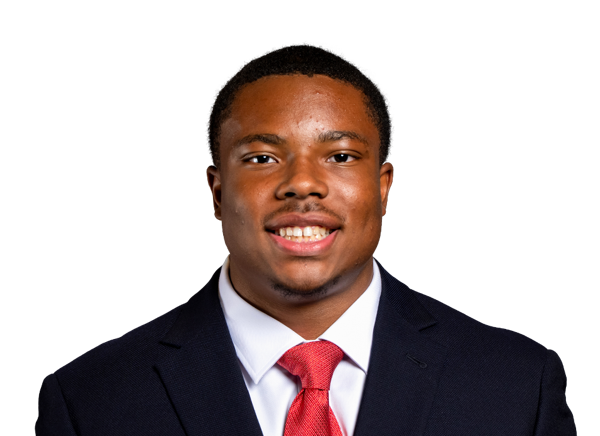
Jonathan Hatton Jr.
 Oklahoma
Freshman
Oklahoma
Freshman
Bio
Recruiting
Scouting Report
Jonathan Hatton Jr. is a 4-star Running Back from Cibolo, TX (Cibolo Steele) in the 2026 class. Ranked No. 82 nationally, No. 7 at RB, No. 16 in TX. Composite rating: 0.9638. Committed to University of Oklahoma since November 23, 2025.
Physical Profile
Listed at 6-1, 235 lbs. Taller than 93% and heavier than 99% of 2026 Running Back prospects in the SEC Scouts database (138 with a listed size).
Play Style
Hatton is a downhill, one-cut runner who gets through the traffic at the line of scrimmage and then accelerates sharply once he reaches the second level. His film fits a power-speed profile: he runs through arm tackles and first contact in the hole, then outruns the angles safeties take. His big-play rate (a 9+ ypc season and 7.9 ypc as a senior on modest volume) says more about him than his raw yardage. Steele rarely used him as a receiver, so his profile is built almost entirely on runs from the backfield.
Strengths
- Home-run speed at a power back's weight: a 10.59 100m and a reported 21.7 mph in pads, plus efficiency numbers (7.9 ypc as a senior, 9+ ypc as a junior by some counts) that show he finishes long runs instead of getting caught from behind
- Durability and steady production: 1,200-plus-yard seasons as a sophomore and senior, a junior season around 1,150-1,230 yards (sources differ), and first-team All-District 6A-29 honors in a demanding Texas 6A classification
- Big jump in efficiency from sophomore to junior year (about 5.0 to 9+ ypc), which scouts credited to better vision and burst. That kind of year-over-year growth suggests he learns and applies coaching
- Size to handle between-the-tackles work in the SEC now: at 230-235 lb he can run inside zone and duo, fall forward for extra yards, and take goal-line snaps without needing a year to add weight
Areas to Improve
- Pass-game usage: only 7 catches (61 yards, 2 TD) as a senior. His route running, hands on option and angle routes, and especially blitz pickup have barely been tested, and freshmen who can't pass protect rarely get third-down snaps at Oklahoma
- Pad level and patience in tight quarters: as a taller back he can run upright into congested boxes. At the college level he needs to press the line more consistently and make a cleaner single cut, instead of relying on the open-field acceleration that separated him in high school
- Availability: he was limited in his first Oklahoma fall camp by an undisclosed injury and had 9 carries for 29 yards (3.2 ypc) through late September 2026. He needs a healthy full year to get game-speed reps
College Projection
He is a rotational back in Year 1 behind returning veterans Robinson and Blaylock, and the fall-camp injury further limited his early workload (9 carries so far in 2026). He can realistically push for a significant share of carries in 2027 as a redshirt freshman or sophomore, once he is fully healthy and trusted in protection. By Years 2-3 his size and speed fit a lead-back role in Oklahoma's offense, with red-zone and explosive-play value from the start.
NFL Outlook
His NFL outlook is legitimate but depends on development. Few backs his size have his speed, which is exactly what NFL evaluators look for, and his traits line up with Day 2 running backs if his college production follows. Three things will decide whether he rises into early-round consideration: (1) sustained college production and good health, (2) developing as a receiver and pass protector so he isn't limited to early downs, and (3) running with a lower center of gravity in the interior. As of now, he projects as a mid-round prospect with upside, three to four years out.
Best Fit
A gap/zone hybrid run game in a spread-to-power offense that gets its backs going downhill: inside zone, duo, and counter from shotgun and pistol, with enough split-safety or light-box looks to spring him into open field. Oklahoma's SEC-era offense fits him well. He would get the most out of a staff that is patient with a timeshare early and puts real work into his receiving and protection development, which RB coach DeMarco Murray (his lead recruiter) is well positioned to do.
Player Comparison
Hill's 6'2", 221 lb frame is remarkably similar to this prospect's 6'0", 215 lb build, and both share the 'Swiss Army knife' versatility that makes position designation difficult. Like this prospect's unknown position status, Hill was utilized as a QB, RB, WR, and special teams player throughout his career, demonstrating the exact type of multi-positional value that modern programs covet in highly-rated recruits.
Current Team
University of Oklahoma